

IGF-1 LR3 Spray (2mg)
$99.99
Description
Description
IGF-1 LR3 Liquid Spray (2mg) | IGF-1 LR3 Research Peptide
Frontier Peptide Labs IGF-1 LR3 Liquid Spray is a research-grade peptide formulation manufactured exclusively for laboratory research and scientific investigation. IGF-1 LR3, also known as Insulin-Like Growth Factor-1 Long R3, is a synthetic IGF-1 analog that has been investigated in published scientific literature involving peptide biology, receptor signaling, molecular biology, protein expression, peptide chemistry, cellular communication, and experimental laboratory models.
IGF-1 LR3 Research
Research-Grade Peptide
Research Use Only
IGF-1 LR3 Research Applications
IGF-1 LR3 has been referenced in laboratory research involving receptor biology, peptide signaling pathways, molecular biology, cellular communication, protein expression, and experimental peptide models.
Laboratory Quality
Each production batch is manufactured under rigorous quality standards designed to support consistency, formulation accuracy, identity, and reproducibility for controlled laboratory research.
Research Resources
Explore the Frontier Research Library and Research Peptide Guides for educational content on peptide science, testing, handling, and quality control.
About IGF-1 LR3 Research
IGF-1 LR3, or Insulin-Like Growth Factor-1 Long R3, is a synthetic research peptide analog derived from IGF-1. The Long R3 modification has been discussed in scientific literature in relation to peptide structure, receptor interaction research, binding protein interaction models, molecular signaling pathways, and experimental peptide biology.
Researchers continue to investigate IGF-1 LR3 in controlled laboratory environments to better understand peptide behavior, receptor binding characteristics, intracellular signaling pathways, cellular communication, protein expression, biochemical mechanisms, and experimental molecular biology models.
Frontier Peptide Labs supplies IGF-1 LR3 Liquid Spray exclusively for qualified laboratory professionals conducting scientific investigation. This research peptide is not intended for human consumption, veterinary use, diagnostic procedures, therapeutic applications, cosmetic use, or medical treatment.
Research Interest in IGF-1 LR3
IGF-1 LR3 is frequently discussed in peptide laboratory research because of its structural relationship to Insulin-Like Growth Factor-1 and its modified Long R3 sequence. Published research has explored IGF-1 LR3 in relation to growth factor research, peptide receptor biology, peptide chemistry, molecular signaling, and laboratory peptide formulation studies.
Areas of scientific investigation involving IGF-1 LR3 may include:
- Peptide receptor biology research
- Molecular signaling pathway analysis
- Protein expression research models
- Cell culture and controlled laboratory models
- Experimental peptide pharmacology
- Biochemical pathway investigation
- Laboratory peptide chemistry
- Binding protein interaction research
IGF-1 LR3 Laboratory Research
As a synthetic IGF-1 analog, IGF-1 LR3 has been studied in scientific literature involving peptide structure, receptor signaling research, cellular pathway analysis, molecular biology, protein expression, and experimental laboratory models. Researchers continue to examine how structural peptide modifications may influence laboratory observations related to receptor interaction models and biochemical mechanisms.
Frontier Peptide Labs IGF-1 LR3 Liquid Spray is manufactured as a laboratory peptide formulation for scientific investigation only. This product is supplied to support qualified research environments and should be handled according to established laboratory protocols, institutional requirements, and applicable research regulations.
Researchers can browse the Frontier Peptide Research Library for educational articles covering peptide biology, receptor signaling research, analytical chemistry, molecular biology, laboratory methodologies, and current peptide research topics.
Peptide Quality & Laboratory Standards
Frontier Peptide Labs is committed to supplying research-grade peptide formulations manufactured under demanding quality standards. Each batch is produced using controlled manufacturing procedures designed to support identity, consistency, formulation accuracy, and reproducibility for laboratory research.
Researchers interested in peptide purity testing, HPLC peptide analysis, LC-MS verification, analytical peptide testing, laboratory handling, peptide storage recommendations, peptide stability, and peptide quality control can visit our Research Peptide Guides. Additional scientific resources are available in the Research Library.
This quality-focused approach supports laboratories seeking research materials for peptide biology, molecular signaling, receptor biology, peptide chemistry, growth factor research, and experimental peptide models.
Related IGF-1 LR3 Research Products
Researchers interested in IGF-1 LR3 formulations may also explore related laboratory research products and educational resources from Frontier Peptide Labs.
Expand Your Laboratory Knowledge
Explore Frontier Peptide Labs’ educational resources covering peptide biology, receptor signaling research, growth factor research peptides, peptide purity testing, HPLC analysis, LC-MS verification, laboratory handling, storage recommendations, analytical chemistry, peptide stability, and peptide quality control.
IGF-1 LR3 Research Peptide FAQs
What is IGF-1 LR3?
IGF-1 LR3, or Insulin-Like Growth Factor-1 Long R3, is a synthetic IGF-1 analog used in laboratory research. It has been investigated in scientific literature involving peptide chemistry, receptor biology, molecular signaling, and experimental peptide research models.
What does the Long R3 modification refer to?
The Long R3 designation refers to a structural modification discussed in research literature in relation to peptide sequence characteristics, receptor interaction models, and binding protein interaction studies. Frontier Peptide Labs presents this information for research and educational context only.
How is IGF-1 LR3 used in research?
IGF-1 LR3 has been investigated in controlled laboratory models involving peptide biology, molecular signaling pathways, protein expression, cellular communication, biochemical mechanisms, and experimental peptide pharmacology. This product is not intended for human or veterinary use.
Where can researchers learn more about peptide handling?
Researchers can review educational resources in the Frontier Peptide Labs Research Peptide Guides and explore scientific topics in the Research Library.
Research Use Only: All peptide products sold by Frontier Peptide Labs are intended exclusively for laboratory research and development purposes. These materials are not for human consumption, veterinary use, diagnostic use, therapeutic applications, cosmetic use, or medical treatment. Purchasers are responsible for complying with all applicable federal, state, and local regulations regarding the handling, storage, and use of laboratory research compounds.
FDA Disclosure & Intended Use
FDA Disclosure: The statements on this website and the products sold herein have not been evaluated by the U.S. Food and Drug Administration (FDA). These products are not intended to diagnose, treat, cure, or prevent any disease. Products sold are for Research Use Only and are not for human or animal use.
Intended Purpose: Products sold on this site are intended solely for basic laboratory research, pharmaceutical research, or the development of new tests. They are not intended for diagnostic, therapeutic, or clinical use.
Storage Instructions
Handling and Storage Tips:
- Keep peptides cold and away from light once received.
- For short-term use (days to weeks), refrigeration at 4°C (39°F) is acceptable.
- Lyophilized peptides are typically stable at room temperature for several weeks, making it suitable for moderate-term storage.
- For long-term storage (months to years), it’s best to freeze peptides at -80°C (-112°F). Freezing optimally preserves peptide stability for extended periods.
Reviews (0)
RUO
"RUO" is an abbreviation for Research Use Only. It is a designation used primarily by the FDA (Food and Drug Administration) for products, often in vitro diagnostic (IVD) components like reagents or instruments, that are in the laboratory research phase of development and are not intended for clinical diagnostic use.
COA
Peptide Purity, Identity Verification & Assay Testing
Understanding peptide purity testing is essential when evaluating research peptide materials, lyophilized powders, capsules, tablets, and liquid spray formulations. At Frontier Peptide Labs, quality control is built around accurate analytical testing, peptide identity verification, assay testing, and transparent laboratory standards.
Peptide Purity Testing
Purity is most accurate when evaluating raw peptide materials, isolated compounds, and lyophilized research powders.
Identity Verification
Peptide identity verification confirms that the correct peptide or research compound is present in the tested material.
Assay Testing
Assay testing verifies peptide content, concentration, and label accuracy for finished formulations such as capsules and sprays.
What Does Peptide Purity Really Mean?
When evaluating research peptide products, understanding what peptide purity really means is essential. The term purity is most accurate when applied to raw peptide materials, isolated compounds, or lyophilized peptide powders where a single active compound is measured against potential impurities.In this context, analytical methods such as HPLC peptide analysis and LC-MS verification can help evaluate purity, identity, molecular characteristics, and research material consistency. These testing methods are commonly used in research peptide quality control to support accurate and transparent laboratory documentation.
Why Finished Peptide Products Require More Than Purity Testing
For finished peptide products such as peptide capsules, tablets, or liquid peptide sprays, the word “purity” can be misleading when used by itself. These formulations often contain additional ingredients such as stabilizers, binders, fillers, carrier solutions, or excipients that support the final product format.Because of this, purity alone does not always provide a complete or scientifically meaningful picture of product quality. A finished capsule or spray should be evaluated using testing metrics that confirm both the identity of the peptide and the amount of peptide present in the final formulation.
Key Testing Metrics for Research Peptide Quality Control
| Testing Metric | What It Confirms |
|---|---|
| Peptide Identity Verification | Confirms the correct peptide or research compound is present in the tested material. |
| Assay / Content Testing | Verifies that the amount of peptide per capsule, vial, tablet, or spray matches the product label. |
| HPLC Analysis | Evaluates separation profile, purity, and analytical consistency for peptide research materials. |
| LC-MS Verification | Supports molecular identity confirmation and analytical characterization. |
ISO 17025 Accredited Laboratory Testing
To maintain a high level of quality assurance, Frontier Peptide Labs products are tested by an ISO 17025-accredited analytical laboratory. ISO 17025 accreditation is an important standard for laboratory competence, testing accuracy, method validation, traceability, and reliable analytical data.This testing approach helps support consistency, transparency, and reliable documentation across research peptide vials, peptide capsules, liquid peptide sprays, and research compound formulations.
Why This Matters for Researchers
Modern research peptide quality control should go beyond simple marketing claims. By focusing on peptide identity verification, assay testing, HPLC analysis, LC-MS verification, and ISO 17025 laboratory testing, researchers can better evaluate product consistency and label accuracy.This approach provides more actionable data for research environments and helps ensure that the results associated with a peptide product are scientifically relevant, transparent, and appropriate for laboratory research use.
Explore More Research Resources
Learn more about research peptide quality control, peptide purity testing, HPLC peptide analysis, LC-MS verification, peptide storage guidelines, and laboratory handling through Frontier Peptide Labs educational resources.Research Use Only: All peptide and research compound products sold by Frontier Peptide Labs are intended exclusively for laboratory research and development purposes. These materials are not for human consumption, veterinary use, diagnostic use, cosmetic use, therapeutic applications, or medical treatment. Certificate of Analysis (COA) for this batch is available on request. Email [email protected] with your order number to receive a copy. COAs include HPLC purity analysis performed by an independent third-party laboratory.
Related products
-

-
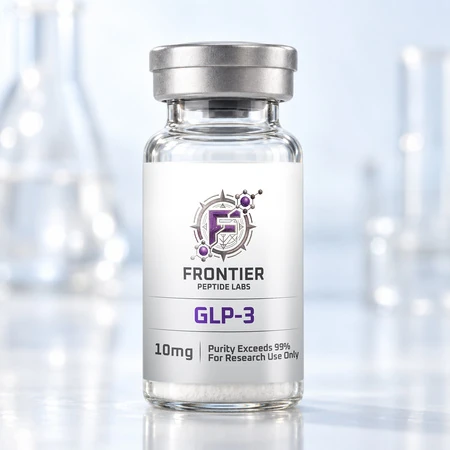
Retatrutide (GLP3) Vial
(0)Price range: $59.99 through $219.99 View Product This product has multiple variants. The options may be chosen on the product page




Reviews
There are no reviews yet.