
Research Peptide Vials
Peptide vials contain lyophilised peptide powder sealed under vacuum, reconstituted with solvent immediately before use. The format is the laboratory standard because dry peptide is far more stable than peptide in solution, and because the researcher controls the final concentration. Frontier Peptide Labs stocks 26 vial-format products, each manufactured in the USA and third-party tested with a Certificate of Analysis per lot.
Showing 1–12 of 26 results
-

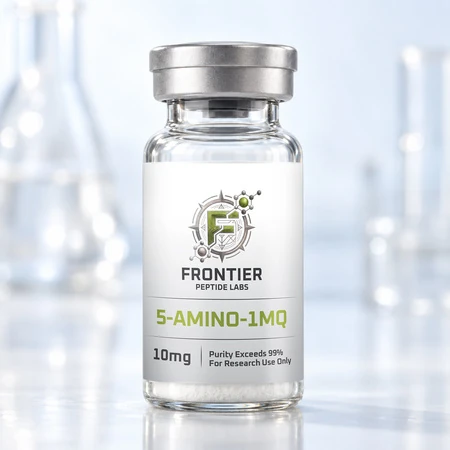
5-Amino-1MQ Vial
(0)Price range: $59.99 through $89.99 View Product This product has multiple variants. The options may be chosen on the product page -
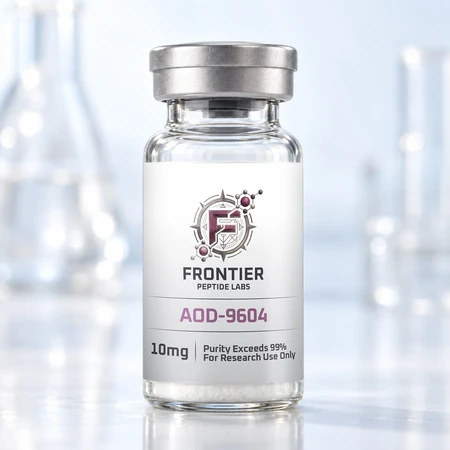
AOD-9604 Vial
(0)Price range: $44.99 through $89.99 View Product This product has multiple variants. The options may be chosen on the product page -
-
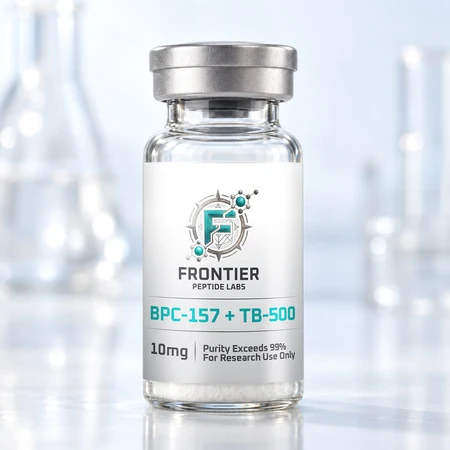
BPC-157 + TB500 Blend Vial
(0)Price range: $59.99 through $89.99 View Product This product has multiple variants. The options may be chosen on the product page -
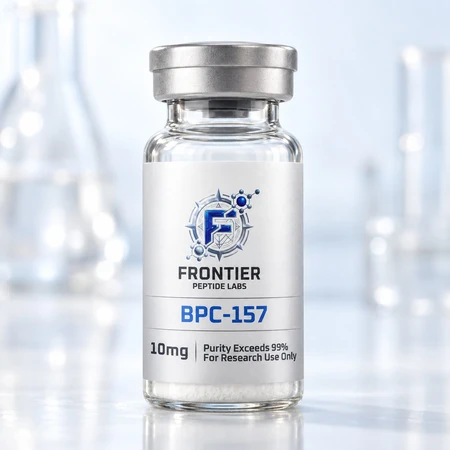
BPC-157 Vial
(0)Price range: $34.99 through $49.99 View Product This product has multiple variants. The options may be chosen on the product page -
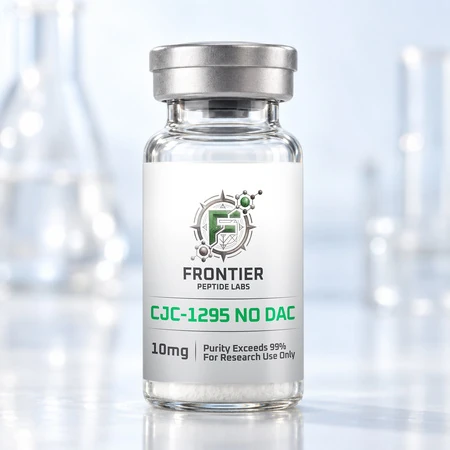
CJC-1295 NO DAC Vial
(0)Price range: $39.99 through $59.99 View Product This product has multiple variants. The options may be chosen on the product page -
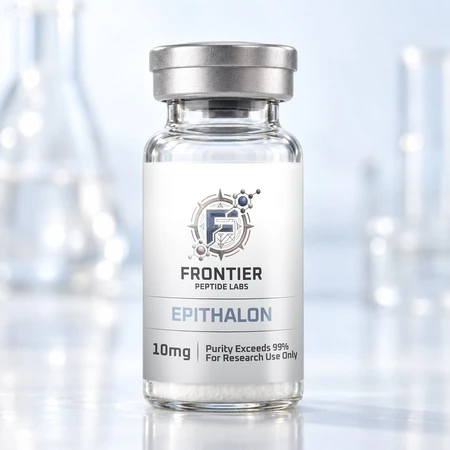
Epithalon Vial
(0)$49.99 View Product This product has multiple variants. The options may be chosen on the product page -
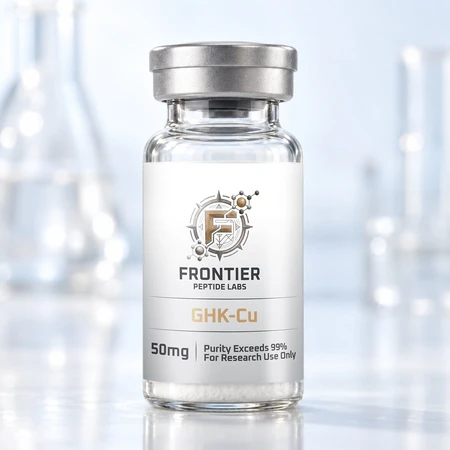
GHK-Cu Vial
(0)Price range: $34.99 through $54.99 View Product This product has multiple variants. The options may be chosen on the product page -
-
-
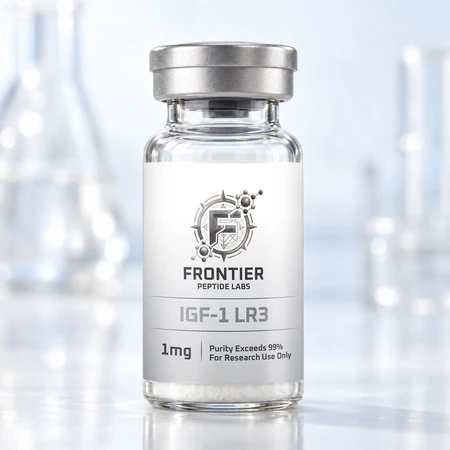
IGF-1 LR3 Vial
(0)Price range: $39.99 through $84.99 View Product This product has multiple variants. The options may be chosen on the product page -
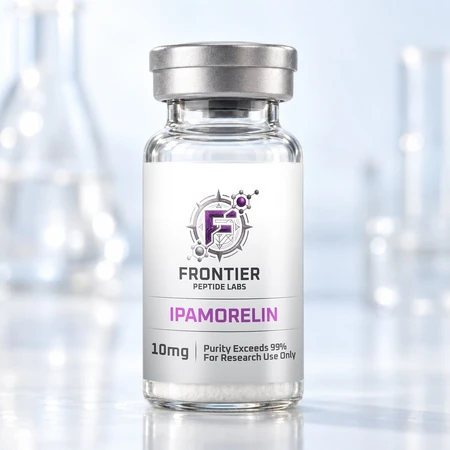
Ipamorelin Vial
(0)Price range: $29.99 through $49.99 View Product This product has multiple variants. The options may be chosen on the product page


What is in this category
Repair and signalling peptides include BPC-157, the BPC-157 / TB-500 blend, KPV and Thymosin alpha-1. Growth-hormone axis research compounds fall into two mechanistic groups: the GHRH analogues sermorelin, tesamorelin and CJC-1295 (no DAC), which act at the GHRH receptor, and the ghrelin-receptor agonist ipamorelin, which acts at GHS-R1a. Metabolic and mitochondrial compounds include the incretin agonists semaglutide, tirzepatide and retatrutide, plus MOTS-c, 5-Amino-1MQ and AOD-9604. Also stocked: GHK-Cu, epithalon, Selank, PT-141, kisspeptin-10, IGF-1 LR3, NAD+, glutathione, Melanotan 2 and the KLOW and GLOW blends.
Why lyophilised vials are the laboratory standard
Lyophilisation removes water by sublimation under vacuum, leaving a porous cake. With water gone, the hydrolytic and oxidative pathways that degrade peptides in solution are largely arrested, which is why lyophilised peptide stored at −20 °C has a shelf life measured in years while the same peptide in aqueous solution is measured in weeks. Our guide to lyophilisation basics explains the process and why the cake sometimes looks smaller than expected.
One point causes persistent confusion: the mass printed on the vial is peptide content, not total lyophilisate mass. Residual counter-ions, typically acetate or trifluoroacetate, plus any bulking agent contribute additional mass. Always calculate concentration from the peptide content stated on the Certificate of Analysis, not from the weight of powder in the vial.
Reconstitution
Add solvent slowly down the inner wall of the vial rather than directly onto the cake, then swirl gently — do not shake or vortex, as shear stress promotes aggregation. Concentration in mg/ml is peptide mass divided by solvent volume. The peptide reconstitution calculator handles this, and our guide to bacteriostatic water vs sterile water covers solvent selection.
Purity and COA verification
Every lot is analysed by an independent third-party laboratory: HPLC for purity, mass spectrometry for identity against the expected molecular weight. Certificates are published on our COA and lab reports page. Our guide to reading a Certificate of Analysis explains how to interpret a chromatogram and spectrum.
Frequently asked questions
What are peptide vials?
Peptide vials are sealed glass containers holding lyophilised peptide powder, supplied for reconstitution with a suitable solvent immediately before laboratory use.
How do I calculate concentration after reconstitution?
Divide the peptide content stated on the Certificate of Analysis by the volume of solvent added. Adding 2 ml to a vial containing 10 mg of peptide gives 5 mg/ml. Use peptide content, not total powder mass.
How should peptide vials be stored?
Lyophilised, sealed and at −20 °C, protected from light and moisture. Once reconstituted, refrigerate at 2–8 °C and minimise freeze–thaw cycles, which drive aggregation.
Why does the powder in the vial look like so little?
Lyophilised cakes are low density and a 10 mg cake occupies very little volume. Some cakes also fracture in transit and settle as a film on the vial wall. Neither indicates a problem with content, which is verified analytically rather than visually.
Are peptide vials for human use?
No. All vials in this category are supplied strictly for laboratory research and are not intended for human or veterinary use or consumption.
Research use only. All products in this category are intended solely for laboratory research and are not for human or veterinary use, consumption, or any therapeutic application. Nothing on this page is medical advice or a claim of safety or efficacy. Statements have not been evaluated by the FDA.